If you’ve ever thought of car detailing as a treat for people who love showing off their cars, you’re not alone. Plenty of Australian drivers see it as optional, something to book before a wedding or when selling. But the car detailing benefits go well beyond appearance. Our sun, salt air, bitumen, bird droppings and dust all work on your car’s paint, trim and interior every day.
This guide explains what detailing actually involves, how it differs from a wash, and whether it’s worth the money. It also covers how often to book and what to look for in a provider.
What Is Car Detailing, Exactly?
Car detailing is a thorough, methodical clean, restoration and protection process for both the exterior and interior of a vehicle. A wash removes surface dirt. Detailing goes further, decontaminating the paint, correcting minor imperfections, conditioning surfaces and applying protective products.
A professional detail typically covers:
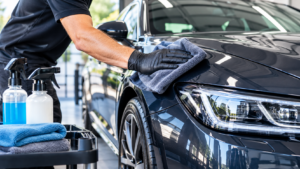
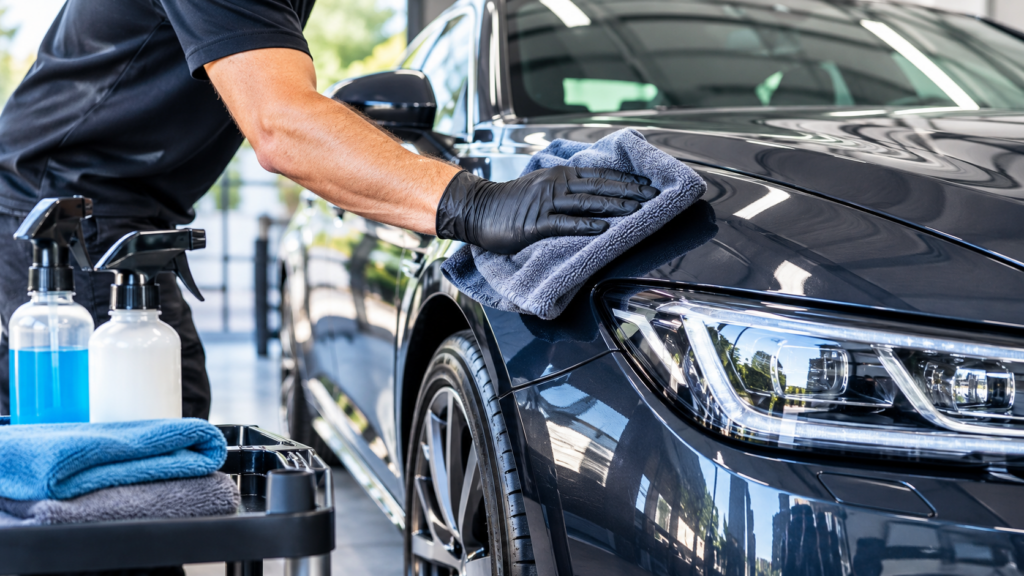
- Exterior: pre-rinse, hand wash, clay bar decontamination, polishing, and sealant, wax or coating application
- Wheels and tyres: brake dust removal, wheel arch cleaning and tyre dressing
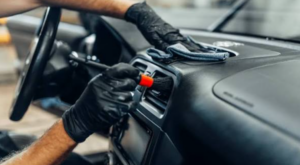
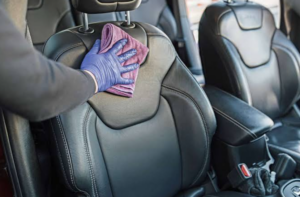
- Interior: vacuuming, steam or extraction cleaning, leather conditioning, and plastic and vinyl treatment
- Glass: streak-free cleaning inside and out, plus water-repellent treatments where required
Car Detailing vs a Car Wash: What’s the Difference?
A car wash is maintenance for the surface. Detailing is restoration and protection. Both have a place, and a regular car wash service between details keeps the finish in good shape.
| Feature | Standard Car Wash | Professional Detailing |
| Removes surface dirt | Yes | Yes |
| Removes embedded contaminants | No | Yes (clay bar, iron removal) |
| Corrects light swirls and oxidation | No | Yes (machine polishing) |
| Applies long-lasting protection | Sometimes a basic wax | Yes (sealant, wax or coating) |
| Deep interior cleaning | Light vacuum at most | Yes (extraction, conditioning) |
| Typical time | 15–45 minutes | Several hours to a full day |
The Real Car Detailing Benefits
1. It Protects Your Paint From Australian Conditions
Paint is your car’s first line of defence against rust, and it takes a beating here. UV radiation breaks down clear coat over time, leading to fading and oxidation. Bird droppings and tree sap are acidic and can etch paint within days in hot weather. Coastal salt speeds up corrosion on any exposed metal.
A quality sealant or ceramic coating creates a sacrificial barrier between those threats and the paint. Dirt and water also slide off more easily, so the car stays cleaner for longer.
2. It’s Proactive Car Maintenance
Most people think of car maintenance as services, tyres and brakes. Cosmetic upkeep is part of it too. Catching small problems early, such as stone chips that need touching up before rust forms or perished rubber seals, costs far less than repairing them later.
A detailer who works over every panel, seal and surface will often spot these issues before they become expensive. Think of it as a regular health check for the parts of your car that a mechanic doesn’t look at.
3. It Helps Protect Resale Value
Buyers and dealers judge a car in the first few minutes. Faded paint, stained seats and a musty cabin suggest a car that hasn’t been looked after, even when the mechanical history is spotless. A well-presented vehicle gives a better impression and supports a stronger asking price.
Detailing won’t turn a high-kilometre car into a showroom model, and it won’t add a fixed dollar amount. But it removes the easy reasons for a buyer to negotiate down.
4. It Creates a Healthier Interior
Your car’s cabin collects dust, skin cells, food crumbs, pollen and moisture. Over time that leads to odours, mould in damp climates and aggravated allergies. Professional interior detailing uses hot water extraction, steam and fabric-safe products to lift what a household vacuum can’t reach.
If you drive with kids, pets or a daily coffee habit, this benefit alone often justifies the cost.
5. It Preserves Leather, Plastics and Trims
Dashboards crack, leather dries out and rubber seals harden under sun exposure. UV inhibitors and conditioners applied during a detail slow that process considerably. Replacing a sun-damaged dashboard or a split leather seat costs far more than regular conditioning.
6. It Improves Safety and Driving Comfort
Clean glass reduces glare, especially during low sun and night driving. Properly treated windscreens help water bead and clear, which improves visibility in heavy rain. Clean lights, mirrors and sensors also matter, particularly on modern vehicles with driver-assist cameras.
7. It Makes Daily Driving More Enjoyable
This benefit is less measurable but real. A clean, fresh, well-kept car is a nicer place to spend your commute. Many owners say they drive more carefully and keep the interior tidier once it’s been properly detailed.
Is Regular Car Detailing Worth It?
For most drivers, yes, provided the frequency matches how the car is used. Think of the cost in terms of what it protects. A vehicle is typically one of the largest purchases a household makes, and paint and interior care costs a small fraction of that over the car’s life.
Regular detailing is especially worthwhile if:
- You park outdoors or near the coast
- You plan to sell or trade in within the next year or two
- You own a new or high-value vehicle and want to keep the paint in top condition
- You have young children, pets or allergies
- You drive a dark-coloured car, which shows swirls and oxidation more readily
It’s less essential if you have an older car you plan to run into the ground and you’re comfortable with its cosmetic condition. Even then, an occasional interior clean and a protective coat can extend its life.
How Often Should You Get Your Car Detailed?
There’s no single answer, but a good baseline for most Australian drivers is a full detail every 6 to 12 months, with regular washes in between. Your ideal schedule depends on climate, parking and how you use the car.
| Situation | Suggested Frequency |
| Daily driver, garaged | Every 6–12 months |
| Daily driver, parked outdoors | Every 4–6 months |
| Coastal or high-UV areas | Every 3–6 months |
| Family car with kids or pets | Interior every 3–6 months |
| Ceramic-coated vehicle | Annual maintenance detail |
| Pre-sale preparation | Once, shortly before listing |
A professional car detailing appointment resets the car’s condition. Washing regularly in between, ideally every two to three weeks, maintains the protection and stops contamination building up.
DIY Detailing vs Professional Detailing
A home detail is a perfectly good option for light upkeep, and it can be satisfying. The trade-offs are time, equipment and technique.
Where DIY works well:
- Routine hand washing
- Vacuuming and wiping down surfaces
- Topping up spray sealants
Where professional detailing makes a difference:
- Machine polishing, where poor technique can burn or thin the clear coat
- Clay bar and iron decontamination
- Ceramic coatings, which need a controlled environment and careful preparation
- Deep fabric and leather extraction
- Odour and mould treatment
The biggest risk with DIY is using the wrong products or methods, for example dish soap, which strips protection, or a dirty wash mitt that grinds grit into the paint. Professional detailing is usually the safer option for anything involving correction or long-term protection.
What to Look For in a Professional Detailer
Choosing well makes all the difference. Look for a provider that:
- Explains the process. A good detailer will tell you what they’ll do and why, and what results to expect.
- Uses quality products and clean equipment. Ask about their paint-safe wash methods and microfibre practices.
- Offers clear packages with transparent pricing. Be wary of vague quotes.
- Has genuine reviews and photos of previous work.
- Gives honest advice. If your paint doesn’t need a heavy polish, they should say so.
If you’re unsure which service suits your car, you can speak with the team for tailored advice.
Practical Tips to Keep Your Car Looking Its Best
Detailing works best as part of a routine. These habits make each detail last longer:
- Wash every two to three weeks, more often after rain, road trips or a bird dropping.
- Remove bird droppings and tree sap quickly. They’re acidic and damage paint fast in the heat.
- Park in shade or use a cover when you can.
- Use a two-bucket wash method with a clean microfibre mitt to avoid swirl marks.
- Reapply a spray sealant every couple of months if you’re not ceramic coated.
- Keep interior surfaces covered or conditioned, and use a windscreen sunshade in summer.
- Clean spills immediately, before they soak into fabric.
Conclusion
Regular car detailing is not simply a luxury for enthusiasts. It protects your paint from harsh Australian conditions, supports your car’s resale value, keeps the cabin healthier and spots small problems before they become costly. It’s an investment in your vehicle’s condition and in how it feels to drive. For most drivers, a professional detail once or twice a year, supported by regular washing, strikes the right balance.
Ready to see what a proper detail can do for your car? Explore our professional car detailing services or get in touch and we’ll recommend the right option for your vehicle.
Frequently Asked Questions
1. What are the benefits of regular car detailing?
Regular car detailing protects paint from UV, salt and contaminants, preserves interior materials, improves cabin hygiene and helps maintain resale value. It also catches small issues early, which reduces repair costs.
2. How often should I get my car detailed?
Most drivers should book a full detail every 6 to 12 months. If you park outdoors or live near the coast, every 3 to 6 months is a better guide.
3. Does car detailing help with resale value?
Yes. A clean, well-presented car creates a better first impression and gives buyers fewer reasons to negotiate down. Detailing won’t change mechanical condition, but it supports a stronger asking price.
4. Is regular car detailing worth it?
For most owners, yes. The cost is small compared with the value of the vehicle, and it prevents paint and interior damage that is expensive to fix later.
5. What’s the difference between car detailing and a car wash?
A wash removes surface dirt. Detailing decontaminates, corrects, restores and protects the paint and interior, and usually takes several hours.
6. Does detailing remove scratches?
It removes light swirl marks and surface scuffs through machine polishing. Deep scratches that go through the clear coat need paint repair.
7. How long does a professional car detail take?
A standard detail usually takes a few hours. Paint correction or ceramic coating can take a full day or longer.
8. Is ceramic coating part of detailing?
It’s an optional add-on. A ceramic coating gives longer-lasting protection than wax or sealant but needs thorough paint preparation first.
9. Can detailing help with pet hair and odours?
Yes. Professional interior detailing uses extraction, steam and specialised tools to lift pet hair, stains and odour-causing residue.
10. Should I detail a new car?
Often, yes. New cars can carry transport contamination and benefit from a protective sealant or coating before everyday use.