You spend more time inside your car than you probably realise. The school run, the commute, the Sunday trip to the coast: it all adds up to hours behind the wheel each week. Yet most of us only think about the cabin when something spills or starts to smell.
Interior car detailing is a deep, methodical clean and protection of everything inside your vehicle: seats, carpets, dashboard, door cards, headliner, vents, controls and glass. Done well, it changes how a car feels to drive. The air is fresher, the controls are cleaner and the glare is lower. Surfaces last longer too.
This guide explains what that looks like in practice, what you can do yourself between professional services, and when it’s worth handing the job to a specialist.
What Is Interior Car Detailing?
Interior car detailing is a thorough, multi-stage clean of a vehicle’s cabin that goes well beyond a vacuum and a wipe-down. It removes embedded dirt, bacteria and odours from every surface, then conditions and protects those surfaces so they stay in good condition for longer.
A standard tidy-up removes the rubbish and the loose dust. A detail reaches the places a vacuum nozzle can’t: seat rails, air vents, the seams around the gear shifter, stitching on the steering wheel and the gap between the console and the seat.
Interior detailing vs a regular clean
| Regular interior clean | Interior car detailing | |
| Vacuuming | Floors and seats | Floors, seats, boot, seams, vents and under the seats |
| Surfaces | Quick wipe | Cleaned, agitated and dried by material type |
| Upholstery | Spot treatment | Deep clean, often with hot water extraction |
| Leather | Wiped over | Cleaned and conditioned |
| Odour | Masked | Source removed |
| Protection | None | UV protection on plastics and leather |
| Typical time | 15–30 minutes | Several hours |
If you’d like to see how this sits within a wider service, our car detailing services cover the interior and exterior in one place.
How Interior Detailing Improves Your Driving Experience
The benefits show up in ways you notice every time you get in the car.
1. Cleaner air inside the cabin
Dust, pollen, skin cells, food crumbs and moisture collect in carpets, seat fabric and vents. Every time you turn on the air conditioning, some of that gets pushed back into the cabin.
Good air quality matters most for people with hay fever, asthma or dust sensitivities. Australian conditions don’t help. Spring pollen, dusty country roads, coastal humidity and bushfire smoke can all find their way inside.
A proper detail helps by:
- Extracting dirt and allergens from carpets and fabric, not just the surface layer
- Cleaning vent louvres and surrounding surfaces
- Treating the moisture that leads to mould and musty smells
- Prompting you to check the cabin air filter, which is a common culprit behind poor airflow and stale odours
Replace the cabin filter on the schedule in your owner’s manual, or sooner if you drive on unsealed roads often.
2. Better visibility and less glare
Fogged, hazy glass is a safety issue as much as an annoyance. Inside glass collects a thin film from plastics off-gassing in the heat, from fingerprints and from your own breath. In low sun, that film scatters light and makes the windscreen harder to see through.
Cleaning the inside of the glass properly, including the lower edge of the windscreen where your hand can’t easily reach, cuts glare noticeably. A matte finish on the dashboard helps as well. Shiny dressings can reflect in the windscreen, which is why detailers lean toward a satin finish.
3. Dashboard and controls that feel right
Dashboard cleaning isn’t only about looks. Dust settles into the seams around buttons, dials and the infotainment screen, and eventually makes them sticky or gritty. A clean steering wheel, indicator stalk and gear selector feel noticeably better in the hand.
Heat and UV also dry out dashboard plastics over time. In Australia, a car parked outside through summer can see the dash surface get hot enough to fade, warp or crack. Regular cleaning, followed by a UV-protectant, slows that damage.
4. A fresher, more comfortable cabin
Smells are a common reason people dread getting into their own car. Spilled milk, wet dog, gym bags and fast food leave residues that deodorisers can’t fix. A detailer finds the source, treats it and removes it. Fragrance is a finishing touch, not the solution.
5. A calmer drive
This one is harder to measure but easy to feel. A tidy, clean, fresh-smelling cabin is simply nicer to be in. Many drivers say they feel less stressed on longer trips when the environment around them is in order.
6. Protecting what your car is worth
Stained upholstery, cracked dashboards and tired leather lower resale value. Interior condition is one of the first things a buyer or valuer looks at. Regular cabin care costs far less than replacing a seat panel or dash cap
What a Professional Interior Detail Includes
Every detailer has their own process, but a thorough job usually follows these stages.
- Declutter and inspect. Personal items come out and the detailer notes existing stains, damage and problem areas.
- Dry soil removal. Brushes, compressed air and vacuuming lift loose dirt from seams, vents and crevices before any liquid touches a surface.
- Surface cleaning. Plastics, vinyl, door cards and the dashboard are cleaned with products matched to the material.
- Upholstery and carpet treatment. Stains are pre-treated, then deep cleaned, often with hot water extraction.
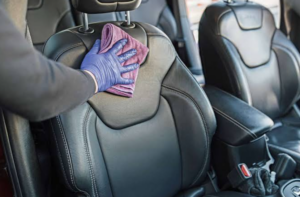
- Leather care. Leather is cleaned gently and conditioned so it stays supple.
- Glass. Inside windows, mirrors and screens are cleaned streak-free.
- Protection. UV protectants go onto plastics and leather where appropriate.
- Final inspection. The cabin is checked in good light for missed spots and residue.
If you’d like to talk through what your car needs, you can get in touch with the Silversponge team and we’ll point you in the right direction.
Dashboard Cleaning: A Practical Method You Can Use at Home
Between professional services, a careful routine keeps the dash in good shape.
What you’ll need
- Two or three clean microfibre cloths
- A soft detailing brush (a clean, soft paintbrush also works)
- A pH-neutral interior cleaner
- A UV-protectant suited to dashboards
Steps
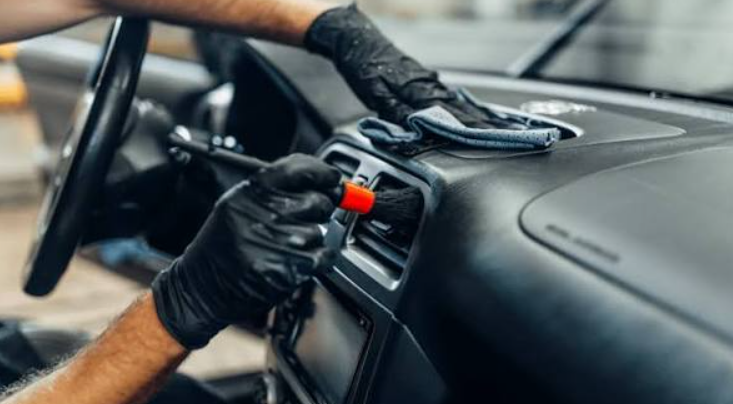
- Dust first. Use the brush and a vacuum with a soft attachment to lift loose dust from vents, seams and around buttons.
- Spray the cloth, not the dash. Applying cleaner directly can run into electronics and switchgear.
- Wipe in sections. Work from the top of the dash down, and refold the cloth often so you’re not spreading dirt back.
- Detail the tight spots. Use the brush around the vents, instrument cluster surround and gear shifter.
- Buff dry. Use a second, dry microfibre to remove any residue.
- Apply protection. Wipe on a thin, even coat of UV-protectant and buff off the excess to avoid a greasy shine.
What to avoid
- Household glass cleaners with ammonia on tinted windows or infotainment screens, as they can damage coatings and tint film
- Heavy, glossy silicone dressings, which create windscreen glare and attract dust
- Soaking any surface, especially near airbag covers and electronics
- Paper towels, which can leave fine scratches on gloss black trim and screens
For touchscreens, a slightly damp, clean microfibre is usually all you need.
Cabin Care: A Simple Routine Between Details
Consistency does more than occasional big efforts. Here’s a schedule that works for most drivers.
| Frequency | Task |
| Weekly | Remove rubbish, shake out floor mats, quick vacuum of high-traffic areas |
| Fortnightly | Wipe the dash, steering wheel, console and door handles |
| Monthly | Clean the inside of the glass, check for spills or damp patches |
| Every 3–4 months | Condition leather, treat plastics with UV-protectant |
| Every 6–12 months | Professional interior detail, depending on use |
| Per manufacturer schedule | Replace the cabin air filter |
Drivers with kids, pets, a beach habit or a trade vehicle may want to detail more often.
Common Interior Problems and How to Handle Them
Musty or damp smells
Usually caused by moisture trapped in carpets or a dirty air conditioning system. Dry the area thoroughly, check for leaks around door seals and the sunroof, and have the source treated rather than masked.
Fading or cracked dashboards
Caused by sustained UV exposure and heat. Use a windscreen sunshade, park in the shade where you can and apply UV-protectant regularly.
Stained seats
The sooner a stain is treated, the better the outcome. Blot, don’t rub, and avoid using too much water on fabric seats, as it can leave a ring or soak into the foam.
Dull, stiff leather
Often a sign of dirt build-up combined with dryness. Cleaning followed by a quality conditioner restores flexibility and slows cracking.
Pet hair
Rubber gloves or a rubber squeegee dragged across the fabric will lift hair that a vacuum misses.
When to Book a Professional Interior Detail
Consider booking one if:
- The car has a persistent smell you can’t trace
- You’re preparing to sell or trade in
- Someone in the household has allergies or asthma
- The car has had a spill, a leak or a pet accident
- You’ve just bought a used car and want a clean starting point
- It’s been more than a year since the cabin had a proper deep clean
A professional brings the equipment, products and experience to treat each material correctly. That reduces the risk of damaging delicate trim or leather. You can read more about what’s involved on our car detailing page, or ask us a question directly if you’re unsure what your car needs.
Conclusion
Interior detailing isn’t about showroom shine for its own sake. It makes the car healthier to breathe in, safer to see out of, more pleasant to touch and easier to live with. It also protects the materials and the value you’ve paid for.
Start with simple habits: a regular wipe-down, clean glass and a tidy cabin. Then add a professional detail once or twice a year to reset the car properly.
Ready to Feel the Difference?
If your cabin is tired, smelly or just overdue for a proper clean, we can help. Explore our car detailing services or contact Silversponge today to book your interior detail and get back to enjoying your drive.