If you wash your car every couple of weeks, you’re paying for a lot of single washes over a year. Car wash packs bundle several washes into one purchase at a lower per-wash price, and for most regular drivers they work out cheaper. They also tend to keep the paint in better condition, because people with a prepaid pack wash more consistently.
Value isn’t only about the price on the receipt, though. What you do between washes, such as car waxing and general paint care, decides whether the money you spend keeps your car looking good or just rinses off. This guide covers how car wash packs work, when they save money, and how wax and paint protection fit into a sensible routine.
What Are Car Wash Packs?
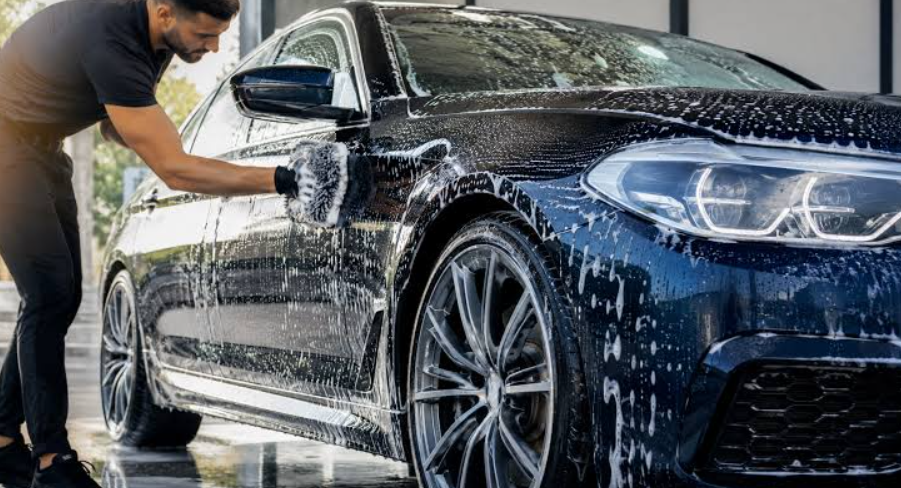
Car wash packs are prepaid bundles of washes, usually sold in sets of three, five or ten. You pay upfront at a discounted rate and redeem each wash when you visit. Some packs cover a basic exterior wash, others include interior vacuuming, wheel cleaning or a hand finish.
You can browse the options on the Silversponge wash packs page to see how the tiers differ.
In short: a car wash pack is a bulk purchase of washes at a lower cost per visit than paying each time.
Are Car Wash Packs Actually Better Value?
For regular cleaning, yes, in most cases. The saving depends on how often you wash and how long the pack stays valid.
A simple way to work it out
- Take the pack price and divide it by the number of washes.
- Compare that figure with the single-wash price for the same service.
- Multiply the difference by the washes you’ll realistically use in 12 months.
Example only (not Silversponge pricing): if a single wash is $30 and a five-wash pack is $125, each wash costs $25. Over ten washes in a year you’d save $50, and the saving grows as the service level goes up.
When a pack makes sense
- You wash your car at least once a month
- You commute daily, park outdoors or drive on dusty or coastal roads
- You want a predictable cost for car maintenance
- You’d rather not decide each time whether a wash is “worth it”
When a pack may not suit you
- You drive very little or garage your car most of the time
- You only wash before long trips or special occasions
- You’d let a pack expire before using it
If you’re unsure which size fits, get in touch with the Silversponge team and describe how you use the car.
The Hidden Value: Consistency Protects Your Paint
Australian conditions are hard on paintwork. Strong UV breaks down clear coat, bird droppings and bugs etch the surface within days in summer, and salt air near the coast speeds up corrosion. Regular washing removes these contaminants before they bond.
This is where packs pay off beyond the discount. A prepaid wash is one you’re more likely to actually book. People who pay per visit tend to stretch the gap between washes, and that is when grime starts to damage the paint.
Car Wash Packs vs Paying Per Wash
| Factor | Car wash packs | Pay per wash |
| Cost per wash | Lower | Standard rate |
| Upfront cost | Higher | None |
| Washing consistency | Usually better | Easy to put off |
| Flexibility | Must use within the validity period | Complete |
| Best for | Regular drivers | Occasional washers |
Where Car Waxing Fits In
A wash removes dirt. It doesn’t protect the paint afterwards. That’s the job of car waxing, and the two work best together.
What does car wax do?
Car wax adds a thin, sacrificial layer on top of the clear coat. It makes water bead and roll off, blocks some UV, and gives the paint depth and gloss. Because the wax wears first, your paint doesn’t. It also makes the next wash easier, since dirt doesn’t grip as hard.
How long does car wax last?
It depends on the product and conditions:
- Natural carnauba wax: roughly 4 to 8 weeks
- Synthetic sealants: roughly 3 to 6 months
- Hand wax applied to a clean, prepared surface generally lasts longer than a quick spray-on product
A car parked outside in full sun or washed with harsh detergents will lose its wax sooner than one kept under cover.
Hand wax vs machine-applied products
A hand wax gives you control around badges, trims and tight curves, and it’s a good way to learn how your paint behaves. Machine application is faster over large panels. Either way, the surface has to be properly washed and dried first. Waxing over a layer of road film just seals the dirt in.
Car Wax vs Paint Protection for Everyday Vehicles
If you’re comparing car wax vs paint protection for everyday vehicles, it comes down to how long you want the protection to last and how much upkeep you’ll do.
| Car wax | Paint sealant | Ceramic coating / paint protection | |
| Typical durability | Weeks | Months | One to several years |
| Upfront cost | Low | Low to moderate | Higher |
| Reapplication | Frequent | Occasional | Rare |
| Gloss | Warm, deep shine | Sharp, slick finish | Strong, long-lasting gloss |
| Best for | Budget, DIY, enthusiasts | Balanced, low-effort care | Daily drivers, outdoor parking |
For most daily drivers, a sensible approach is regular washing from a car wash pack, with wax or sealant refreshed every few months. If you’d rather apply protection once and wash regularly afterwards, a longer-lasting paint protection treatment is worth discussing.
Does paint protection prevent scratches?
Not fully. Paint protection reduces the chance of light swirl marks and wash-induced marring, and it guards against chemical etching from bird droppings, tree sap and UV. It won’t stop a key, a shopping trolley or a stone chip. Thick protective film is more resistant to impacts than a coating, but no product makes paint scratch-proof. Treat any claim that it does with caution.
Practical Paint Care Tips Between Washes
Good paint care is mostly habit. These make the biggest difference:
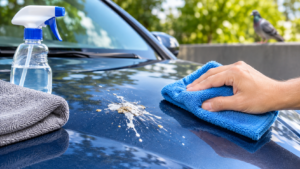
- Remove bird droppings and bug splatter quickly. They’re acidic and can mark clear coat within a day or two in the heat.
- Wash in the shade when you can. Sun dries soap and water on the surface and leaves spots.
- Use clean microfibre towels and keep separate ones for paint, wheels and glass.
- Avoid dish soap. It strips wax and dries out rubber and plastics.
- Re-wax when water stops beading instead of waiting for a set date.
- Park under cover when possible, especially during peak summer UV.
How to Choose the Right Car Wash Pack
- Match the service to your routine. A weekly commuter needs a different pack from someone driving on weekends.
- Check the validity period. Make sure you can realistically use every wash.
- Look at what’s included. Interior vacuuming, wheels and hand finishing change the value.
- Think about protection. If you’re also considering waxing or paint protection, ask whether it can be combined with your pack.
Conclusion
For anyone who washes their car regularly, car wash packs usually cost less per visit and encourage the consistency that keeps paint healthy. Add a wax or sealant every few months, and you’ve covered the basics of good paint care without overspending. If you’re comparing options, start with the wash packs available at Silversponge.
Frequently Asked Questions
1. Are car wash packs worth it?
Yes, if you wash your car at least monthly. The per-wash price is lower than paying each visit, and you’re more likely to keep a regular schedule.
2. How much can I save with a car wash pack?
The saving depends on the pack size and service level. Divide the pack price by the number of washes and compare it with the single price to see your exact figure.
3. What does car wax do?
Car wax adds a protective layer over the clear coat. It repels water, reduces UV damage, adds gloss and makes dirt easier to remove at the next wash.
4. How long does car wax last?
Natural carnauba wax lasts around 4 to 8 weeks, while synthetic sealants can last 3 to 6 months. Sun exposure, washing frequency and parking conditions all affect this.
5. Does paint protection prevent scratches?
No product is scratch-proof. Paint protection reduces light marring and chemical etching, but it won’t stop deep scratches or stone chips.
6. Should I wax my car after every wash?
No. Wax only needs reapplying every few weeks to months. A good check is whether water still beads on the paint after washing.
7. Is hand wax better than machine wax?
Neither is automatically better. Hand wax gives more control on trims and edges, and machine application is quicker on large panels. Preparation matters more than method.
8. What’s the difference between car wax and paint protection?
Wax is a short-term layer that wears off within weeks. Paint protection, such as a sealant or coating, is designed to last months or years.
9. Do car wash packs expire?
Many do, so check the validity period before buying. Choose a pack size that matches how often you’ll actually wash.
10. How often should I wash my car in Australia?
Every two weeks suits most daily drivers. Wash sooner after bird droppings, bugs, salt exposure or long summer drives.
Call to Action
Ready to cut the cost of keeping your car clean? Explore Silversponge’s car wash packs and pick the one that fits your routine. If you’d like help choosing a pack or adding wax or paint protection, contact the team and we’ll point you in the right direction.