Getting a ceramic coating applied is the easy part. Keeping it performing the way it’s supposed to beading water, shedding dirt, resisting UV comes down to how you wash the car afterwards. A coating doesn’t make paint indestructible, and it doesn’t mean you can wash however you like. Wash it the wrong way often enough, and you’ll strip protection and cut years off the coating’s lifespan without ever realising why the beading effect has quietly disappeared.
This guide covers exactly how to wash a ceramic coated car the right way the method, the products, what to avoid, and how often you actually need to wash it to keep the coating doing its job.
Why Ceramic Coating Changes How You Should Wash
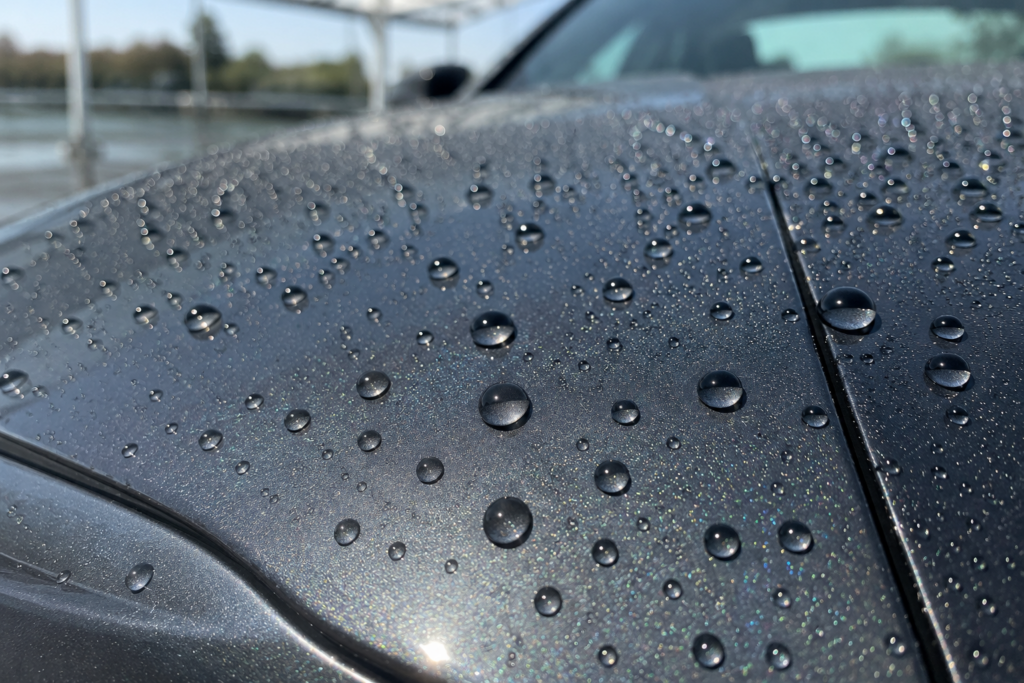
A ceramic coating creates a hard, glass-like layer over the clear coat. Done properly, this layer adds protection against UV damage, oxidation, bird droppings, and light scratching, and gives the paint a hydrophobic, self-cleaning quality dirt sits on top of the coating rather than bonding to the paint itself.
That’s the theory. In practice, the coating is still a sacrificial layer. It can be:
- Scratched or marred by automatic brushes, dirty wash mitts, or improper drying technique
- Chemically stripped by high-pH degreasers, some wheel cleaners, and harsh dish soap
- Worn down over time through UV exposure and repeated contact, even with correct care
None of this means the coating has failed it means the wash method matters more, not less, once a coating is on the car.
What You’ll Need
| Item | Why It Matters |
| pH-neutral car shampoo | Won’t strip the coating’s hydrophobic layer the way alkaline or acidic products can |
| Two wash buckets (wash + rinse) | Keeps grit picked up on the mitt from being reintroduced into the wash solution |
| Grit guards (in each bucket) | Traps dirt at the bottom so it’s not stirred back up onto the mitt |
| Soft microfibre wash mitt | Lifts dirt without dragging it across the surface |
| Microfibre drying towels (or a leaf blower/air dryer) | Prevents water spotting and swirl marks during drying |
| Ceramic-safe spray sealant or booster (optional) | Tops up hydrophobic performance between full washes |
The Correct Wash Method for a Ceramic Coated Car
Step 1: Pre-Rinse First
Rinse the whole car with a hose or pressure washer before any contact touches the paint. This clears loose grit, dust, and surface debris so you’re not grinding it into the coating with a mitt in the next step. On a ceramic-coated car, this pre-rinse is also a quick visual check water should bead and run off cleanly. If it’s sheeting flat instead of beading, that’s an early sign the coating is due for maintenance.
Step 2: Apply a pH-Neutral Shampoo Using the Two-Bucket Method
Fill one bucket with your wash solution and one with clean rinse water, both fitted with grit guards. Dunk the mitt in the wash bucket, wash a small section, then rinse the mitt in the clean bucket before reloading it with shampoo. This single habit prevents more swirl marks than almost any other technique the rinse bucket catches grit before it goes back into your wash solution and gets dragged across the paint on the next pass.
Work top to bottom, since the lower half of the car (rocker panels, lower doors, bumpers) collects the heaviest road grime and shouldn’t touch the same wash water as your bonnet and roof.
Step 3: Avoid Automatic Brushes and Tunnel Washes
This is the single biggest coating-killer, and it’s worth stating plainly: automatic brushes and tunnel-style washes are not compatible with a properly maintained ceramic coating. The rotating brushes used in most machine washes pick up grit from every car that’s been through before yours and drag it across your paint under pressure exactly the swirl-mark mechanism a coating is meant to help you avoid. A hand wash, done properly, is the only method that consistently protects a coated finish.
Step 4: Clean Wheels and Lower Panels Last, With a Separate Mitt
Wheels carry brake dust, tar, and heavier grime than the rest of the car, so they need their own wash bucket and mitt entirely never the one you’ve used on the paintwork. Be cautious with wheel cleaners too: some acidic, high-pH formulas designed to cut through brake dust fast can also degrade coating on nearby painted surfaces like guards and lower bumpers if left to run and dwell. A pH-neutral or coating-safe wheel cleaner is the safer default.
Step 5: Dry Immediately and Correctly
Water left to air-dry on its own leaves mineral deposits water spots that etch into the coating’s surface over time, especially in Perth’s harder water and hot, dry conditions where droplets evaporate fast and concentrate minerals as they go. Use a plush microfibre drying towel with a blotting motion rather than dragging it across the panel, or use a dedicated air dryer/leaf blower to push water out of panel gaps and mirrors without any surface contact at all.
Step 6: Top Up Protection Between Full Washes
A ceramic-safe spray sealant or quick detailer can be used between full washes to refresh hydrophobic performance and add a light layer of UV protection, without needing a full reapplication. This isn’t a replacement for a professional reapplication down the track, but it extends the interval between them and keeps the beading effect visible day to day.
What to Avoid on a Ceramic Coated Car
- Dish soap: it’s formulated to strip oils and grease, which also means it strips coating protection
- Automatic tunnel washes with brushes: the leading cause of premature swirl marks on coated paint
- Drying with a regular bath towel: the loose weave and abrasive fibres will mar the surface
- Skipping the two-bucket method: reusing dirty wash water is one of the fastest ways to introduce fine scratches
- Ignoring reduced beading: this is the coating’s way of telling you it needs attention, not something to wait out
How Often Should You Wash a Ceramic Coated Car?
Every two to three weeks is a reasonable baseline for most daily drivers, though this shifts with conditions. Coastal areas and salt exposure, heavy pollen seasons, or cars parked under trees will need more frequent washing to stop contaminants sitting on the coating for extended periods. The coating reduces how tightly dirt bonds to the paint it doesn’t stop dirt landing on the car in the first place.
Signs Your Ceramic Coating Needs Attention
- Water sheets across the surface instead of beading into tight droplets
- Dirt and grime start clinging rather than rinsing off easily
- The paint looks duller under direct light than it did when freshly coated
- It’s been longer than the coating manufacturer’s recommended maintenance window since application or last top-up
If you’re noticing any of these, a maintenance wash and inspection is worth booking in before contaminants get the chance to bond directly with the paint underneath.
Can You Wash a Ceramic Coated Car at Home?
Yes, provided you stick to hand washing with the method above pH-neutral shampoo, two buckets, soft mitts, and proper drying technique. What you want to avoid is any temptation to save time through an automatic brush wash, since that one shortcut undoes a lot of the point of having the coating applied in the first place.
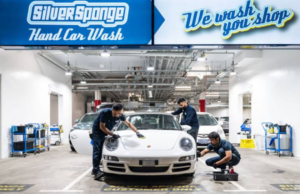
For anyone who’d rather leave it to hands that do this daily, Silver Sponge’s Victoria Park location on Canning Highway runs a strictly hand-wash-only operation no automatic brushes, ever with the full ceramic coating service also available on-site for cars due a fresh application or a proper maintenance wash.
How to Wash a Ceramic Coated Car FAQs
1. Can I wash a ceramic coated car at home?
Yes, as long as you hand wash using a pH-neutral shampoo, the two-bucket method, and proper drying technique. Avoid automatic brushes and tunnel washes, which can scratch the coating.
2. How often should I wash a ceramic coated car?
Roughly every two to three weeks for most daily drivers, though salt exposure, pollen, or parking under trees can mean washing more frequently.
3. Can I use dish soap on a ceramic coated car?
No. Dish soap is designed to strip oils and grease, which also strips the coating’s hydrophobic protection over time.
4. Will an automatic car wash damage a ceramic coating?
Automatic washes with rotating brushes are the leading cause of swirl marks on coated paint, since the brushes carry grit between vehicles and drag it across the surface under pressure. Touchless automatic washes are gentler but still less controlled than a proper hand wash.
5. What is the two-bucket method and why does it matter?
It’s washing with one bucket of soap solution and a separate bucket of clean rinse water, so grit picked up on the wash mitt is rinsed off before it’s reloaded with more shampoo preventing that grit from being dragged across the paint.
6. How do I know if my ceramic coating needs reapplying? Reduced water beading, dirt clinging rather than rinsing off, and dulling under direct light are the clearest signs the coating’s performance is fading.
7. Can I dry a ceramic coated car with a regular towel?
It’s best avoided. Standard bath towels have a looser, more abrasive weave that can mar the coating. Use a plush microfibre drying towel or an air dryer instead.
8. Do I still need to wax a car with ceramic coating?
No, a ceramic coating replaces the need for regular waxing, though a ceramic-safe spray sealant can be used between washes to top up hydrophobic performance.
9. Why is my ceramic coated car not beading water anymore?
This usually means the coating’s surface has been contaminated or worn down through improper washing, high-pH products, or time and UV exposure, and is a sign a maintenance wash or professional check is due.
10. Is professional hand washing better than washing a ceramic coated car myself?
Both can work well if the correct method is followed. Professional hand washing removes the guesswork and ensures consistent technique, particularly useful if you don’t already have two-bucket equipment and coating-safe products on hand.