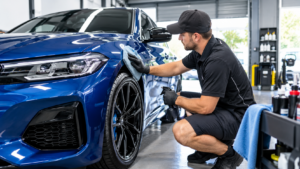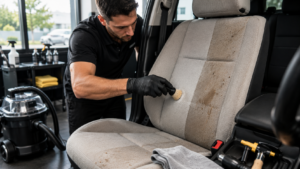
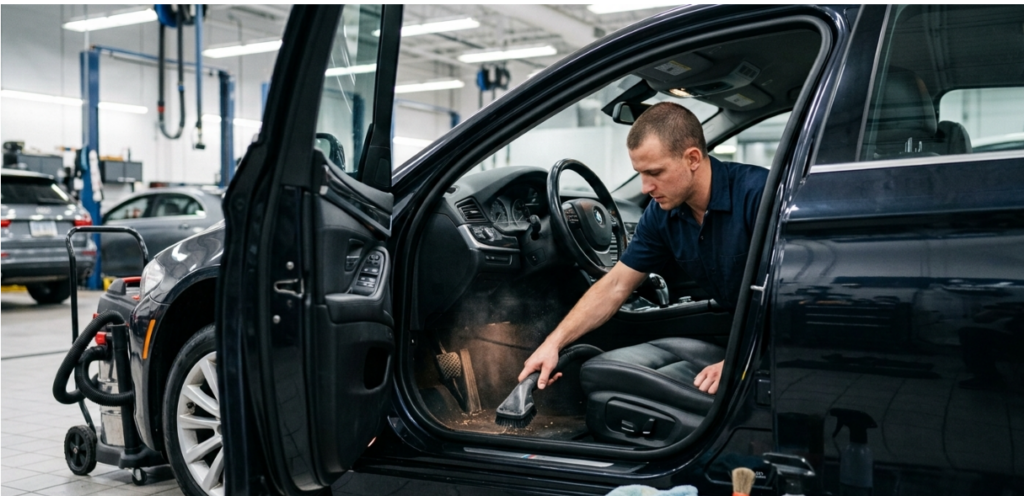
A car interior can become dirty long before it looks obviously dirty.
Dust settles into vents and dashboard surfaces. Footwear brings grit into carpets. Food crumbs collect beneath seats. Hands leave oils on steering wheels and door trims. Children and pets can introduce another level of mess altogether.
So, how often should you actually detail your car interior?
There is no single schedule that suits every vehicle. Interior car detailing frequency depends on how often the vehicle is driven, who uses it, whether children or pets travel in it, how much time the car spends outdoors and how quickly dirt and stains accumulate.
For many motorists, a thorough interior detail every few months combined with regular light cleaning is a sensible starting point. Heavily used family cars, work vehicles and vehicles carrying pets may need professional attention more frequently.
The key is to understand the difference between routine cleaning and professional detailing.
How Often Should You Detail Your Car Interior?
For a typical privately owned vehicle, professional interior detailing every three to six months can be a reasonable maintenance range.
However, this is only a guideline.
| Vehicle use | Suggested professional interior detailing |
|---|---|
| Light use | Every 6 months |
| Regular daily driving | Every 3–6 months |
| Family vehicle | Every 2–4 months |
| Pet vehicle | Every 1–3 months |
| Heavy commuting | Every 2–4 months |
| Work vehicle | Every 1–3 months |
| Frequent long-distance travel | Every 2–4 months |
These intervals are not fixed rules.
A clean, lightly used weekend vehicle may go considerably longer between professional details, while a family SUV carrying children, sports equipment and pets may need attention much sooner.
The condition of the interior matters more than the calendar.
What Is the Difference Between Cleaning and Interior Detailing?
This distinction is important when deciding how frequently your car needs professional care.
Routine interior cleaning
Routine cleaning generally involves tasks such as:
- Removing rubbish
- Vacuuming floors
- Wiping surfaces
- Cleaning windows
- Removing visible dust
- Shaking or cleaning mats
These tasks can be performed regularly and should form part of normal vehicle maintenance.
Interior detailing
Interior detailing is more comprehensive.
It can involve deeper cleaning of:
- Seats
- Carpets
- Floor mats
- Dashboard surfaces
- Door trims
- Hard-to-reach areas
- Interior plastics
- Other cabin surfaces
Depending on the vehicle and service, additional treatments may also be appropriate.
Silver Sponge’s detailing range includes interior-focused services, with its car detailing offering covering options such as Interior Detail, Express Detail and Full Detailing.
Why Regular Interior Detailing Matters
A vehicle interior is a confined environment.
Everything introduced into the cabin tends to remain there until it is physically removed.
Dust, food particles, moisture, hair and dirt can accumulate gradually.
Regular professional detailing helps prevent a small maintenance issue from becoming a major cleaning job.
1. It controls accumulated grime
Regular vacuuming removes loose dirt, but some contamination becomes embedded into carpet fibres and upholstery.
Professional cleaning can address areas that ordinary weekly cleaning may miss.
2. It helps manage stains
Coffee, soft drinks, food, mud and other spills are easier to deal with when addressed promptly.
The longer a stain remains, the more difficult it may become to remove completely.
3. It keeps high-touch areas cleaner
Steering wheels, gear selectors, door handles and other frequently touched surfaces receive considerable daily contact.
These areas can benefit from regular cleaning rather than being ignored until the interior looks dirty.
4. It improves the overall presentation
A clean interior changes how a vehicle feels.
This is particularly noticeable when passengers regularly use the vehicle or when the car is being prepared for sale.
Factors That Affect Interior Car Detailing Frequency
There are several variables that should determine your schedule.
1. How Much You Drive
The more kilometres you cover, the more exposure your interior receives.
A car driven 10 minutes each day will generally accumulate less cabin contamination than one used for several hours of commuting.
Long-distance driving can also introduce more dust, food packaging, road grime and general wear.
If your car is a daily commuter, checking the interior every few weeks is sensible.
You can then schedule professional detailing when routine cleaning is no longer keeping up.
2. Children
Children can significantly increase the cleaning demands of a vehicle.
Common problems include:
- Food crumbs
- Spilled drinks
- Muddy shoes
- Marks on door trims
- Crumbs between seats
- Sticky surfaces
- Toys and miscellaneous items
For a family vehicle, professional interior detailing every two to four months may be more realistic than waiting six months.
However, prompt spot cleaning remains important between professional visits.
3. Pets
Pets are another major consideration.
Dogs can introduce:
- Hair
- Sand
- Dirt
- Moisture
- Odours
- Mud
- Outdoor debris
Pet hair can become particularly difficult to remove when it becomes embedded into upholstery and carpet fibres.
If your dog regularly travels in the vehicle, inspect the cabin more frequently and consider professional detailing every one to three months depending on use.
Silver Sponge’s Express Detail service specifically includes pet hair removal from car seats and floors, along with sand and bug removal.
4. Food and Drinks
Eating inside the car increases the risk of spills, crumbs and lingering smells.
Even a small coffee spill can become a problem if it is allowed to dry into upholstery.
The best approach is immediate action.
Blot liquid rather than aggressively rubbing it into the fabric, remove solid debris promptly and seek appropriate professional cleaning if the stain persists.
5. Weather and Outdoor Conditions
Australian driving conditions can be tough on vehicle interiors.
Heat, dust, moisture, sand and UV exposure can all contribute to everyday wear.
Vehicles regularly parked outside may require more frequent attention than cars stored under cover.
During periods of particularly hot or dusty weather, monitor your dashboard, trim and upholstery rather than relying solely on a fixed six-month schedule.
6. Your Type of Interior
Different materials require different approaches.
Fabric upholstery
Fabric seats can absorb spills and hold dirt within their fibres.
Vacuuming is important, but deeper cleaning may be necessary when stains or embedded grime develop.
Leather
Leather should be cleaned appropriately and conditioned when required.
Avoid harsh household cleaners that may dry or damage the material.
Vinyl and plastic
Dashboard and trim surfaces collect dust and fingerprints.
They should be cleaned with products suitable for automotive interiors rather than aggressive domestic chemicals.
Signs Your Car Interior Needs Detailing
You do not have to wait for a specific date.
Look for practical warning signs.
Visible stains
Coffee, food, mud and other marks are obvious signals.
Persistent odours
If an unpleasant smell remains after normal cleaning, investigate the source rather than simply masking it with an air freshener.
Embedded dirt
If carpet or upholstery still looks dirty after vacuuming, deeper cleaning may be appropriate.
Excessive pet hair
Large amounts of embedded hair can indicate that a professional detail is overdue.
Sticky surfaces
Dashboard controls, door trims and other areas may become contaminated from food, drinks or everyday use.
Dull or neglected surfaces
A neglected interior can gradually lose its clean, well-maintained appearance.
A Practical Interior Detailing Schedule
A simple maintenance routine can prevent major build-up.
Daily or after heavy use
Remove:
- Food packaging
- Bottles
- Receipts
- Muddy items
- Other rubbish
Clean spills as soon as possible.
Weekly
Spend a few minutes:
- Removing rubbish
- Vacuuming obvious dirt
- Checking mats
- Wiping high-touch surfaces
- Inspecting seats for stains
Monthly
Perform a more thorough inspection.
Check under seats, around seat rails, door pockets, boot areas and other places where debris accumulates.
Every 3–6 months
Consider professional interior detailing depending on vehicle use.
Immediately when necessary
Do not wait for the scheduled appointment if there has been:
- A significant spill
- Pet-related mess
- Mud contamination
- Vomit or other difficult contamination
- Persistent odour
- Major staining
Prompt cleaning can make a significant difference.
Should You Detail Your Interior Before or After the Exterior?
If both are being professionally cleaned, the order can depend on the service process.
For a comprehensive vehicle clean, the interior and exterior should be treated as separate areas with appropriate methods and products.
Silver Sponge’s car wash services include interior and exterior cleaning as well as more comprehensive wash options. The standard interior and exterior service includes an exterior wash, interior vacuuming and cleaning of interior and exterior windows.
For deeper restoration work, professional car detailing is more appropriate.
How Often Should You Detail a Family Car?
Family cars generally need more frequent interior care than vehicles used by one adult.
Children can introduce food, drinks, dirt and miscellaneous debris into the cabin very quickly.
A useful approach is:
Light family use: every 4–6 months.
Regular family use: every 2–4 months.
Heavy family use: approximately every 1–3 months.
Again, the condition of the interior should determine the actual timing.
A professional detail is not a replacement for routine cleaning.
It is part of a broader maintenance cycle.
How Often Should You Detail a Car With Pets?
For vehicles carrying pets regularly, professional detailing every one to three months can be practical.
The exact interval depends on:
- Number of pets
- Type of pet
- Frequency of travel
- Hair accumulation
- Outdoor activities
- Whether protective seat covers are used
A dog that travels to the beach several times a week will place very different demands on a vehicle compared with a small dog that travels occasionally.
Does Interior Detailing Help Before Selling a Car?
Yes.
Presentation matters when preparing a vehicle for sale.
A clean interior can help the car appear better maintained and make a stronger first impression.
Professional detailing can address areas that are difficult to replicate with a quick home clean, including carpets, mats, upholstery and accumulated grime.
For sellers, it can therefore make sense to schedule detailing shortly before photographs, inspections and viewings.
Silver Sponge notes that its detailing services are suitable for people wanting to rejuvenate and restore their vehicle’s appearance, including when preparing a car to make an impression.
Is Interior Detailing Worth It for a New Car?
Even newer cars benefit from appropriate maintenance.
The purpose is not necessarily to restore neglected surfaces but to maintain them before heavy contamination develops.
A new car can quickly accumulate:
- Dust
- Fingerprints
- Food particles
- Spills
- Sand
- Pet hair
- General road debris
Regular light cleaning combined with occasional professional detailing can help maintain the cabin’s condition.
What About Work Vehicles?
Work vehicles often need more frequent detailing because they are exposed to a broader range of contaminants.
Tradespeople may carry:
- Tools
- Building materials
- Soil
- Dust
- Grease
- Work clothing
- Equipment
A vehicle used for work should be assessed according to the type of work being performed.
For some users, monthly or quarterly professional detailing may be appropriate.
How Much Does Interior Detailing Cost?
There is no single price because cost depends on vehicle size, condition, service level and the work required.
Heavy staining, excessive pet hair, sand, dirt and other contamination can require additional labour.
Silver Sponge advises that vehicles are inspected on arrival and that heavily soiled vehicles, excessive dog hair or specific contamination such as tar or bugs may incur additional charges.
That assessment is important because two vehicles of the same size can require very different amounts of work.
Interior Car Detailing Frequency: A Simple Rule
If you want one practical rule to follow, use this:
Clean your interior regularly and professionally detail it when routine cleaning is no longer enough.
For most motorists, that may mean approximately every three to six months.
For families, pet owners, commuters and work vehicles, the interval may be considerably shorter.
The condition of the interior is the most useful indicator.
Frequently Asked Questions
1. How often should you detail your car interior?
For many vehicles, every three to six months is a reasonable starting point. Cars with children, pets or heavy daily use may need detailing every one to three months.
2. Is interior detailing necessary if I vacuum every week?
Yes, potentially. Regular vacuuming removes loose debris, but professional detailing can address deeper dirt, stains, upholstery and hard-to-reach areas.
3. How often should I detail a car with pets?
A vehicle carrying pets regularly may benefit from professional interior detailing every one to three months, depending on hair, dirt and odour accumulation.
4. How often should a family car be detailed?
Every two to four months is a practical starting point for many family vehicles, although heavily used cars may require more frequent attention.
5. Can I detail my car interior myself?
Yes. Routine vacuuming, surface cleaning and prompt stain removal can be done at home. Professional detailing is useful when deeper cleaning is required.
6. Is interior detailing different from a car wash?
Yes. A standard car wash focuses primarily on routine vehicle cleaning, while interior detailing involves more comprehensive attention to cabin surfaces and upholstery.
7. Should I clean a car spill immediately?
Yes. Promptly addressing spills can reduce the chance of staining, odour and deeper contamination.
8. Does interior detailing remove pet hair?
Professional detailing can remove significant amounts of pet hair, although the result depends on how deeply the hair is embedded and the vehicle’s condition.
9. Should I detail my car before selling it?
Professional interior detailing can be worthwhile before selling because a clean, well-presented cabin can create a stronger first impression for prospective buyers.
10. Where can I get interior car detailing in Victoria Park?
Silver Sponge’s Victoria Park location provides professional vehicle cleaning and detailing services. Visit the Victoria Park location page for current location information.
Conclusion
There is no universal interior detailing schedule because every vehicle has a different workload.
A weekend car driven occasionally may only need professional detailing twice a year. A family SUV, pet vehicle or daily commuter may benefit from a much more frequent schedule.
The most effective approach is simple: remove rubbish regularly, vacuum and wipe surfaces routinely, deal with spills promptly and arrange professional detailing before dirt and stains become difficult to manage.
For motorists in and around Victoria Park, professional interior care can make maintaining a frequently used vehicle considerably easier.
Explore Silver Sponge’s Victoria Park car detailing and cleaning services and choose the level of care that suits your vehicle’s current condition.